What a Well-Run Shared House Actually Looks Like
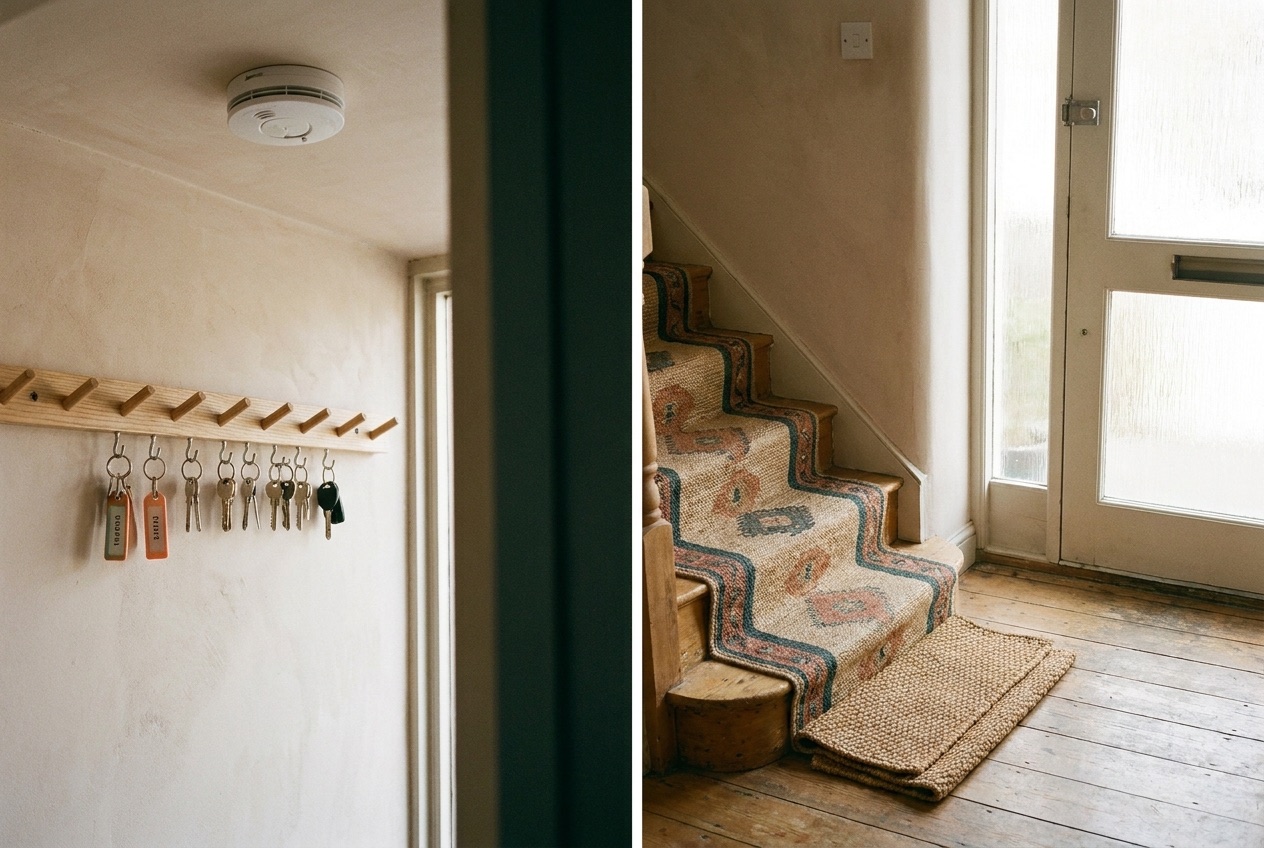
A well-run shared house is boring in all the right ways: a written lease every time, a short set of house rules everyone knows, maintenance that gets handled fast, working smoke detectors, and an operator who screens carefully and stays reachable. When those are in place, the house mostly runs itself and the people in it get to just live.
A written lease, every time, no exceptions
The first mark of a well-run shared house is embarrassingly simple: there is always a written lease. Every resident, every time, signs a real document that lays out the term, the rent, what is included, the payment schedule, and the rules. No handshake deals. No we will sort out the details later. A written lease protects the resident and the operator equally, and the fact that one exists at all tells you the person running the house takes it seriously.
Watch out for the opposite. When someone wants to skip the paperwork and just take a deposit and hand you a key, that is not casual friendliness, it is a warning. It means nothing is documented, your terms can change on a whim, and you have no record of what you agreed to. We put everything in writing not because we expect trouble but because the written version is what keeps small misunderstandings from turning into fights. A good house has a paper trail on purpose.
Read the lease before you sign it, all of it, even the boring parts. A good one spells out exactly what is included in your rent, what the house rules are, how much notice you give when you leave, and what happens if a payment is late. If something in there is unclear, ask, and watch how the operator responds. A straight one will explain it plainly and will not mind the questions. If the terms are vague, or the document is a scrap of a template with blanks, or the operator gets cagey when you ask basic questions, that is the house telling you what it will be like to deal with once you have moved in.
House rules that are short and actually enforced
Every functional shared house has house rules, and the good ones keep them short. A wall of fine print that nobody reads is useless. What works is a handful of clear expectations about the things that actually cause friction between housemates: quiet hours, guests, cleaning the common spaces, how the kitchen and shared bathroom get handled. Short enough to remember, specific enough to mean something.
The part that matters more than the rules themselves is whether they are enforced evenly. Rules that exist on paper but get ignored are worse than no rules, because they signal that whoever pushes hardest gets their way. A good operator applies the same standard to everyone and steps in when something is off, so the considerate housemates are not left carrying the house. The rules are there to protect the people doing the right thing, and they only work if someone actually stands behind them.
It also helps when the rules are given to you up front, in writing, before you move in, rather than sprung on you later. You should know the quiet hours, the guest policy, and the cleaning expectations while you are still deciding whether to sign, because those are the things that will actually shape your daily life in the house. An operator who is upfront about the rules is doing you a favor, even if a couple of them are stricter than you would like. The ones to worry about are the houses with no stated rules at all, because that usually means the standard is whatever the last argument decided.
How fast maintenance actually gets handled
You learn the truth about an operator the first time something breaks. In a shared house things break constantly, because more people use everything harder: the garbage disposal jams, the water heater acts up, a toilet runs, the wifi drops. What separates a well-run house from a badly run one is response time. A good operator acknowledges the problem quickly and gets it fixed within a reasonable window, and tells you what is happening while you wait.
The failure mode is the landlord who goes quiet the moment there is a problem. The message sits unread, the disposal stays broken for a week, and you start to feel like the rent is the only part of the arrangement anyone cares about. We fix the disposals ourselves, so we can say plainly that the difference between a good house and a miserable one is often just whether someone answers the message and shows up. Ask a prospective operator how they handle repairs and how fast they respond. The answer, and how comfortable they are giving it, tells you a lot.
How turnovers should actually work
A turnover is what happens between one resident leaving a room and the next one moving in, and it is one of the clearest tests of a well-run shared house. Done right, a room does not get handed straight from one person to the next in whatever state it was left. It gets properly cleaned, the linens get washed or replaced, anything that broke or wore out during the last stay gets fixed, and the room is reset to the same standard it was first rented at. The next resident should walk into a room that feels fresh, not one still carrying traces of the person before them.
We turn over our own rooms, so we will be blunt about where this goes wrong. A lazy operator rushes the gap between residents to avoid an empty week, skips the deep clean, leaves the old mattress protector on, and never checks whether the small stuff still works. You can usually spot the result on a tour: a room that looks lived-in by someone who is not you. A good operator builds enough time into the turnover to actually do it right and treats each new resident as someone walking into a clean slate. If a place can show you a genuinely reset room, that tells you they respect the people who live there.
The safety basics a well-run shared house never skips
Some things are not amenities, they are the floor, and any shared house that skips them is one to walk away from. Working smoke detectors in the right places, checked and with live batteries. Carbon monoxide detectors where they belong. Clear ways out of the house in an emergency. Fire extinguishers that are present and not expired. None of this is glamorous, and that is exactly why it gets neglected in badly run houses. It should never be.
The countries that regulate shared housing seriously treat these as legal requirements rather than nice-to-haves. The British HMO system, for instance, makes working smoke alarms, current safety certificates, and minimum standards a condition of operating a licensed shared house at all. You do not need a licensing regime to hold your own house to that bar. A good operator handles the safety basics because it is the right way to run a place people sleep in, whether or not anyone is forcing them to. If you tour a house and the smoke detectors are missing or dangling, that single detail tells you how the whole place is run.
How a good operator screens, and why it protects you
Screening is the part prospective residents sometimes resent until they understand who it is really for. Yes, a good operator checks people out before they move in, and that can feel like friction when you are the one being checked. But the main person that screening protects is not the operator. It is the people already living in the house. Every new housemate affects everyone else's daily life, their sleep, their sense of safety, their comfort in the common spaces.
When we screen an application, we are asking the current residents to trust us with who joins them, and that trust is the whole product. A house that lets anyone in with no questions and just wants the deposit fast is not being easygoing, it is failing the people who already live there. So when an operator asks you real questions, takes a beat before saying yes, and seems to actually care whether you will fit the household, read that as a good sign. It means they will do the same when the next person applies, which is what keeps the house a decent place to live for you too.
The landlord who visits versus the one who vanishes
There is a real difference between an operator who stays present and one who disappears the moment the lease is signed. The present one is reachable, checks on the property, keeps the common areas up, and treats the house as something they are responsible for. The absent one collects rent and is nowhere to be found when the water heater dies or a house conflict needs a neutral hand. You usually cannot tell which one you have until something goes wrong, but there are tells earlier.
Pay attention to how they communicate before you ever move in. Do they answer questions clearly and promptly? Do they seem to know the actual state of the house, or are they vague about details? An operator who is organized, responsive, and specific during the leasing conversation is far more likely to be the kind who stays present afterward. One who is hard to reach and evasive before you have even signed is showing you exactly how the tenancy will go. Being a landlord who visits rather than one who vanishes is most of what running a good house means.
What should the payment setup actually look like?
The payment setup is one of the clearest signals of whether a house is run well. It should be scheduled, documented, and predictable. You should know exactly what you owe, when it is due, and what happens if a payment is late, all of it written down in the lease before you move in. Whether the cadence is weekly, every couple of weeks, or monthly, the structure should be clear and consistent, not something that shifts depending on the operator's mood or memory.
The bright line is documentation. Any payment you make should leave a record, on a real schedule, tied to your lease. Cash handed over in person with nothing written down is the setup to avoid, full stop. It leaves you with no proof of what you paid, no protection if there is a dispute, and it usually signals an operator who is casual about everything else too. A house that runs its payments cleanly, on a documented schedule with clear terms, is almost always a house that is run cleanly everywhere else. That, in the end, is what a good operator looks like: the boring stuff, done right, every time. It is the way we try to run ours.