
Why Renters Are Looking West of Atlanta
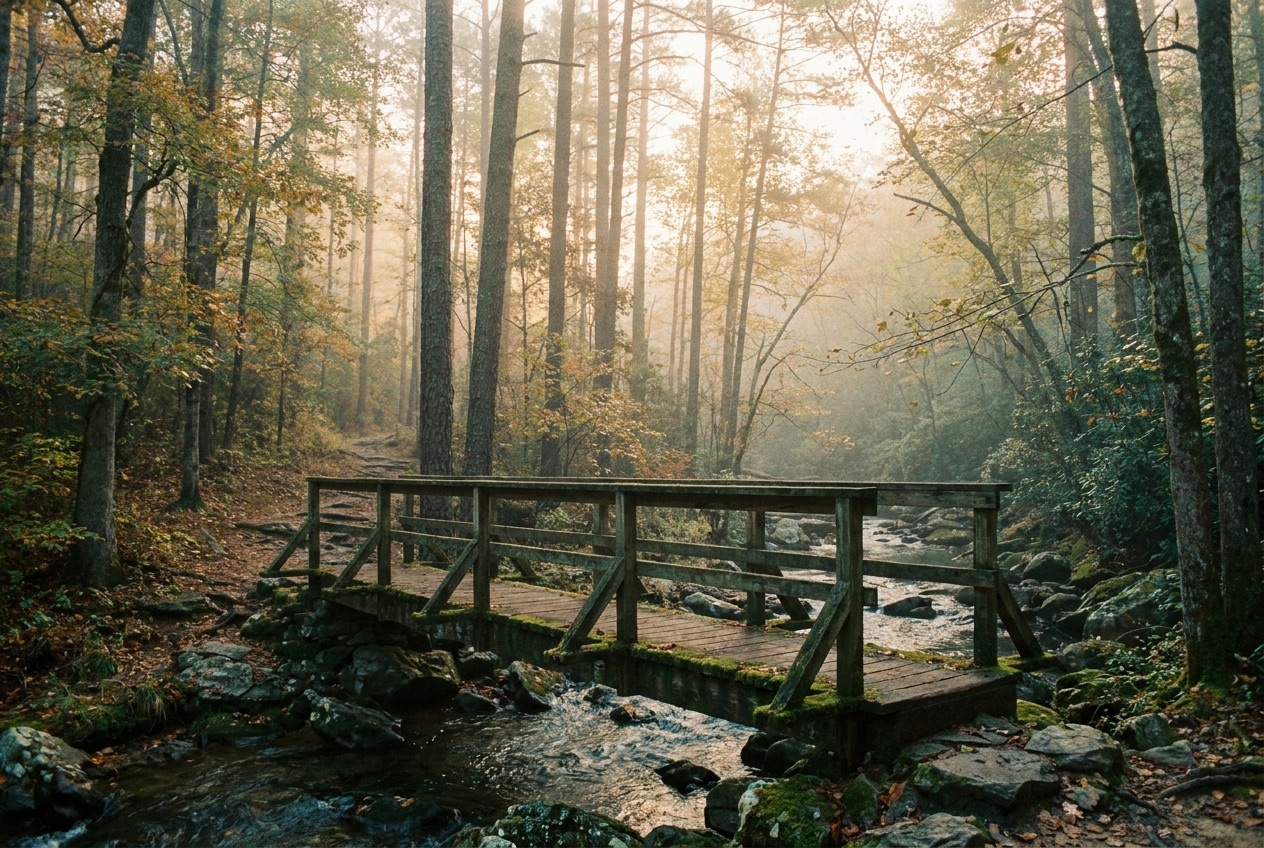
Renting west of Atlanta comes down to a simple trade: more space and quiet for your money, a straight shot downtown on I-20, and real green space like Sweetwater Creek State Park, in exchange for needing a car and giving up walkability. For a lot of people that trade is a clear win. For others it would be a daily frustration.
Space and quiet for the money
The main reason people keep renting west of Atlanta is the value. Push out along I-20 through Mableton, Austell, Lithia Springs, and into Douglasville, and the same monthly number stretches noticeably further than it does inside the perimeter. You get more square footage, more trees, more room to breathe, and neighborhoods that are calmer than the busier parts of the city. If your budget feels stretched thin closer in, the west side is where it starts to relax.
Raw square footage is only part of it. The west side is quieter in a way that people who work from home or simply value rest come to appreciate fast. The pace is slower, the streets are more residential, and the constant background hum of a dense urban core fades. That quiet is a real amenity, even though no listing charges for it directly. For anyone who has spent a few years in the noise and the crush closer to town, the calm out here is often the thing that sells them, more than the extra room.
Sweetwater Creek State Park in your backyard
One of the genuine gems of the west side is Sweetwater Creek State Park, just outside Lithia Springs and remarkably close to the city for how wild it feels. It is a real tract of wilderness with miles of trails, whitewater running over the rocks, and the five-story ruins of the New Manchester mill, a Civil War era textile mill that you reach on the Red Trail, which is the one most first-timers hike. It does not feel like something that should exist minutes from Atlanta, and yet there it is.
Beyond the ruins, the park has the George Sparks Reservoir, where people fish and rent kayaks and paddleboards, and longer loops like the White Trail that push into the quieter, more remote corners. For renters out here it functions as a giant shared backyard, the kind of place you can reach on a whim after work or spend a whole Saturday in. Green space this substantial and this accessible is rare, and it is one of the concrete reasons the west side beats a lot of denser areas on quality of life, not just on price.
What makes it especially valuable is how close it sits to daily life on the west side. This is not a park you plan a trip around and visit twice a year. From much of the Lithia Springs and Douglasville area it is a short drive, so it becomes part of the ordinary week: a trail after work to clear your head, a paddle on the reservoir on a Sunday, somewhere to take visitors that actually impresses them. Having real wilderness that close by changes the texture of living out here in a way that is hard to price but easy to feel once you have it.
The I-20 straight shot downtown
Geographically, the west side's ace is I-20. It runs more or less straight from the western suburbs into the heart of Atlanta, so there is one clear artery connecting you to downtown, no convoluted route required. When traffic is light, the drive is genuinely quick, and the directness of it is a real advantage over parts of the metro where you have to stitch together several roads to get anywhere. For a commuter whose job is downtown or on the west end, that straight shot is a strong point in the west side's favor.
There is a MARTA angle worth knowing too. Park-and-ride options on the west end let some commuters leave the car and take the train through the worst of the congestion into the core, which can beat driving the whole way when downtown is your destination. It is not the same dense transit web you would find in a bigger transit city, but it is a real tool, and it takes some of the sting out of the commute for the people whose routes line up with it. The corridor gives you more than a road. It is a road plus a rail option, and that combination matters.
Douglasville's growing center
Douglasville anchors the far end of the corridor, and it has been filling in. There is an actual downtown with restaurants and a walkable core, a solid base of retail and grocery and everyday services, and enough going on that you rarely have to drive into Atlanta just to handle ordinary errands or find somewhere decent to eat. It has grown into a place with its own center of gravity rather than just a bedroom community that empties out during the day.
That matters for renters because it changes what daily life feels like out here. You are not stranded between big-box parking lots with nothing to walk to. You have a town with some texture, its own restaurants and events and small businesses, close at hand. It is not Midtown, and it does not pretend to be, but it means the far west side is a place you can actually live a full life in without treating the city as your only source of anything worth doing. The growing center is a big part of why Douglasville keeps pulling people out this way.
Who is actually renting west of Atlanta
The people looking west are more varied than the stereotype of the suburbs suggests. A good number are priced out of intown neighborhoods and doing the honest math, realizing their money buys a great deal more space a few exits west on I-20. Others are chasing the quiet on purpose after years in the density and noise closer to the core. Families want the room and the yards. Remote workers want a real home office and a calmer street to think on. The common thread is people who have decided that space and value are worth a drive.
There is also a big transient slice that gets overlooked. Traveling professionals on short contracts, people relocating for a job before they know the city well enough to buy or sign long, and anyone in a between-chapters stretch of life all land out here, because the west side offers furnished, flexible options at a price the intown market cannot match. That is a real and steady kind of demand, and it is a practical one rather than a lifestyle statement. It is the sort of person who wants a decent room near a workable commute without a year-long lease, and the corridor happens to be very good at supplying exactly that.
The tradeoffs, stated plainly
Now the honest catch, because pretending it does not exist helps nobody. You need a car out here. Full stop. The west side is built around driving, and if you do not have reliable transportation, daily life gets hard fast. Walkability is limited, especially the further out you go. You are not going to stroll to a coffee shop and a grocery store and your office the way you might in a dense, mixed-use neighborhood. The spread-out design that gives you space and quiet is the same design that makes you drive for almost everything.
And nightlife is Atlanta's job, not the west side's. If your ideal evening is a dense strip of bars and late-night spots within walking distance, you will feel that absence out here. The west side is quieter by nature, which is the point for some people and a real drawback for others. The city is right there when you want it, but you have to go get it. None of this is a dealbreaker for the people the west side actually fits. It is only a problem if you expected an urban experience the geography was never going to provide.
Who the west side fits, and who it will frustrate
The west side fits people who want more space and quiet for their money, who have a car and do not mind driving, who work from home at least sometimes, and who see occasional trips into the city as a feature rather than the whole basis of their social life. Commuters whose jobs line up with I-20 or the west-end park-and-ride do especially well. So do people who value a real state park more than a dense bar scene. For that group, the west side is one of the better values in the whole metro.
It will frustrate the person who wants everything within walking distance, who does not want to own a car, who needs constant nightlife and density at their doorstep, or who would find the quiet isolating rather than restful. If that describes you, an intown neighborhood is worth the higher price, and you should pay it rather than fight the west side's whole character. Knowing which group you fall into before you sign is worth more than any amenity list.
The honest truth is that the west side is not trying to be everything to everyone, and that is a strength once you accept it. It knows what it is: quieter, more spread out, better value, car-dependent, close enough to the city to reach when you want it. The people who are happiest here are the ones who wanted that specific trade in the first place, not the ones who moved out for the price and then spent every weekend wishing they were somewhere denser. Match your expectations to the place and it delivers. Fight its nature and it will wear on you.
What should you check on a specific address before committing?
Before you commit to any particular west-side address, test the three things that actually shape daily life there. First, drive the commute at real rush hour, not at a quiet midday moment, because I-20 at 8 in the morning is a completely different road than I-20 at noon, and that gap is exactly what people underestimate. Second, check the cell coverage at the address, because the corridor is not uniform and a weak signal at home is a genuine daily headache in a place where you depend on your phone.
Third, look into the flight paths. Hartsfield-Jackson sits to the southeast, and depending on where you land and how the runways are being used, some addresses catch more overhead noise than others, which is easy to miss on a quick daytime visit. Beyond those three, walk the immediate area, look at where the nearest grocery and essentials actually are, and picture your ordinary week honestly. Renting west of Atlanta rewards people who do that homework, because the west side is a great fit for the right person and a slog for the wrong one, and the difference usually comes down to the specifics of the exact address. We run furnished rooms out here for precisely the people the corridor fits, and we would rather you check all of that first than move in unsure.