
What to Know Before Booking a Stay in Antigua
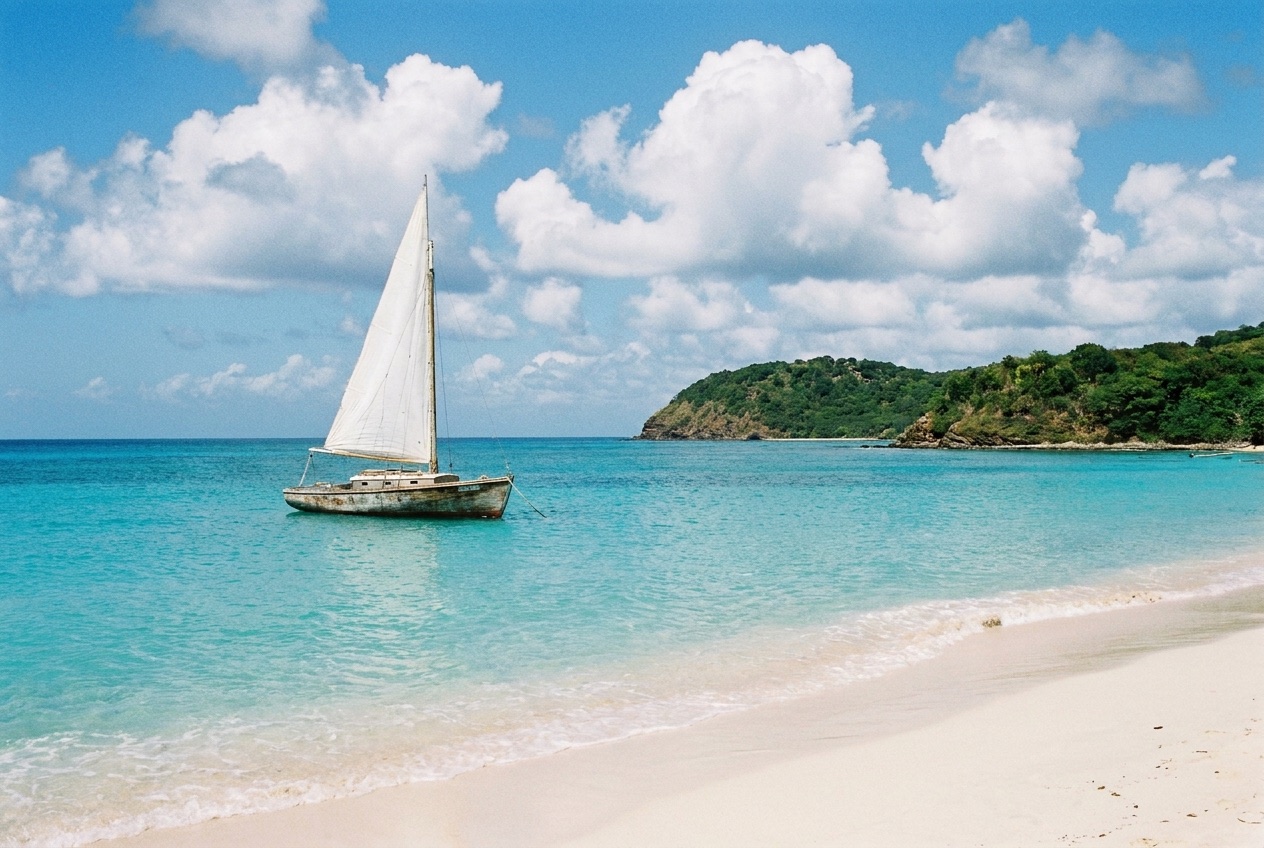
Figuring out where to stay in Antigua comes down to two decisions most people skip. Which coast do you want, and are you renting a car. The west and southwest hold the calmest beaches and most of the villas. The east is windier and wilder. Pick your coast first, sort out transport second, and the trip gets easier.
The season matters more than the calendar suggests
Antigua has a dry season and a wet season, and the difference is real. Roughly December through April is the busy, drier stretch, which is why prices climb and the popular beaches fill up. May through November is quieter, greener, and cheaper, and it overlaps with Atlantic hurricane season. We run a property here, so we watch this closely, and the honest read is that most of the summer and fall is perfectly fine. Warm, a little more humid, with the occasional heavy afternoon shower that passes in an hour and leaves everything smelling clean.
The thing locals know that a first-timer won't is that hurricane season is a probability game, not a guarantee of bad weather. Storms are rare in any given week, but when a system does form, it reshapes everything. Flights get cancelled, ferries stop, and rebooking becomes a scramble.
If you travel between August and October, buy travel insurance that actually covers weather disruption and read what it excludes. We've watched guests assume their airline would simply make them whole, and airlines do not owe you a hotel or a new vacation when a named storm rolls through. That gap between what people expect and what's actually covered is where trips fall apart.
Pricing follows the same rhythm. The best rates land in the shoulder weeks on either side of the wet season, roughly late April into May and again in November, when the weather is mostly settled but the peak crowds haven't arrived or have already gone. If you want the island quiet and your money to stretch, that's the window. We won't quote numbers, because rates move constantly and vary by property, but the pattern holds year after year. Book the edges of the season and you get most of the good weather for a fraction of the peak price, and you're not elbow to elbow on the sand.
Where to stay in Antigua depends on which coast you pick
Antigua markets itself on having a beach for every day of the year, and while nobody's counting, the point stands. There are a lot of them, and they are not interchangeable. The trade winds come from the east, so the Atlantic-facing east coast beaches get more breeze, bigger surf, and a rawer feel.
Half Moon Bay is gorgeous and worth the drive, but it is not a place for a nervous swimmer on a windy day. The west and southwest coasts sit in the lee of the island, which means calmer, clearer, more swimmable water. Dickenson Bay, Jolly Harbour, and the beaches around the southwest tend to be the reliable swimming choices.
This matters for where you sleep, not just where you swim, and it's the single biggest factor in deciding where to stay in Antigua for a beach-focused trip. If you're staying a week or more and want to walk out of your place into gentle water, base yourself on the calmer side. If you want the dramatic, empty, wind-in-your-face beaches, you can stay west and drive east for the day. What you don't want is to book somewhere on wind exposure you didn't understand and spend the trip fighting chop.
So ask the host a direct question before you book. Which direction does the beach face, and what's the water like in the afternoon. Mornings are almost always calmer here, and the wind tends to build as the day warms up, so a beach that's glassy at nine can be choppy by three. A host who knows the property will answer that easily. If they can't, that tells you something about how well they actually know the place they're renting you.
Renting a car versus relying on taxis
This is the decision that quietly makes or breaks the trip. Antigua drives on the left, a holdover from British rule, and the roundabouts come at you fast if you're used to four-way stops. Roads are narrow, shoulders are often nonexistent, and goats have the right of way in practice if not in law.
If you're comfortable driving on the left and you want to reach the empty beaches and the local restaurants that aren't a resort's captive dining room, rent a car. You'll need a local temporary driving permit, which the rental company arranges for a small fee on top of your home license. A car turns the whole island into your options list.
If driving on the left sounds like a vacation-ruiner, taxis are a genuine alternative, but understand what you're signing up for. Fares are set by zone rather than metered, so agree on the price before you get in, every single time. Taxis are excellent for the airport run and the occasional outing, and they're a poor fit for a trip where you want to roam and change plans on a whim, because the cost of hopping around adds up and you're always on someone else's schedule.
Our rough rule is simple. Staying put at a resort or a walkable area, taxis are fine. Wanting to explore, rent the car and get over the left-side driving in the first hour, because you will, and then the island opens up.
One more thing on the car question, since it ties back to where to stay in Antigua in the first place. If you book a place that's walkable to a beach, a couple of restaurants, and a shop, you can skip the car entirely and lean on the odd taxi for the airport and one or two outings. If you book somewhere remote and beautiful up a hill with nothing in walking distance, you have effectively committed to renting a car whether you wanted to or not. So decide the transport and the location together, not separately, because one dictates the other. We've seen people book an isolated dream villa and then spend the week either trapped or paying for taxis they didn't budget for.
Villas versus resorts for a week or longer
For a long weekend, a resort is easy, and there's nothing wrong with easy. For a week or more, especially with a group or a family, a villa-style stay changes the economics and the feel of the trip. A private place with a kitchen means you're not eating every meal out at resort prices, you have room to spread out, and you get a version of the island that looks more like living there than visiting. This is the model we lean toward, because we run whole-home stays and we've seen how much better a longer trip goes when people can cook a couple of breakfasts and keep cold drinks in their own fridge.
The tradeoff is honest and worth stating plainly. A villa gives you no front desk at midnight, no daily housekeeping unless you arrange it, and no activities desk booking your snorkel trip. You handle more yourself. For self-sufficient travelers who'd rather have space and privacy than a concierge, that's a feature, not a cost.
For someone who wants everything handled and never wants to think about groceries, a resort earns its rate. Neither is better in the abstract. Match the choice to how you actually like to travel, not to the prettiest photos, and you'll be happier either way.
Groceries and eating like you live here
If you've got a kitchen, use it, and the first stop is a real grocery run. The larger supermarkets around St. John's and Jolly Harbour carry the range you'd expect, and prices on imported goods run higher than back home because it's an island and most of it arrives by boat. Buy your staples there and get your produce and fish closer to the source. The public market in St. John's on a Friday or Saturday morning is where the island actually shops, and buying fruit and vegetables there is cheaper and fresher than the supermarket shelf, plus it's an hour of the trip you'll remember.
Eating out, the move is to leave the resort strips behind at least a few times. The small local spots serve the food the island actually eats, and it's better and cheaper than the tourist-facing restaurants. Try the local rum, try the fish and the pepperpot, and don't be shy about the roadside places that look like nothing and cook like everything. Antiguans eat well, and the version of the island you get from a hotel buffet is a thin slice of what's really here. Some of the best meals we've had on the island cost a fraction of what the resort dining rooms charge for something worse.
So what actually surprises first-time visitors?
Two things, mostly. The first is that island time is not a marketing slogan, it's the operating speed. Service is friendly and unhurried, the kitchen takes as long as it takes, and the contractor who said Tuesday means sometime this week. If you arrive wound tight and expecting mainland pace, you'll spend the trip frustrated at a place that is doing exactly what it does. Loosen up and it becomes the best part of being here.
The second surprise is that all beaches in Antigua are public by law, right down to the sand in front of the fanciest resort. You are allowed to walk onto any beach on the island, which means the best water isn't gated behind a room rate. You can stay somewhere modest and swim anywhere you like, and plenty of people who know the island do exactly that.
A few smaller things catch people out too. The sun is stronger than it feels with the breeze taking the edge off the heat, so people burn without noticing until the evening. Mosquitoes come out at dusk, particularly in the wet season, so pack repellent and use it. And plans made on island time are best held loosely, because the ferry, the tour, and the taxi all run on the same relaxed clock, and rigid scheduling only sets you up to be annoyed.
None of this is a problem once you expect it. It's the character of the place, and the people who love Antigua love it partly for exactly this. The island rewards the traveler who bends to its pace instead of fighting it.
We run a whole-home stay in Antigua and answer these questions directly for the people who book it, because getting the coast, the car, and the season right is most of what makes a first trip here go well. Sort those three out honestly, hold the rest loosely, and the island takes care of the days.