The Rise of the Longer Stay
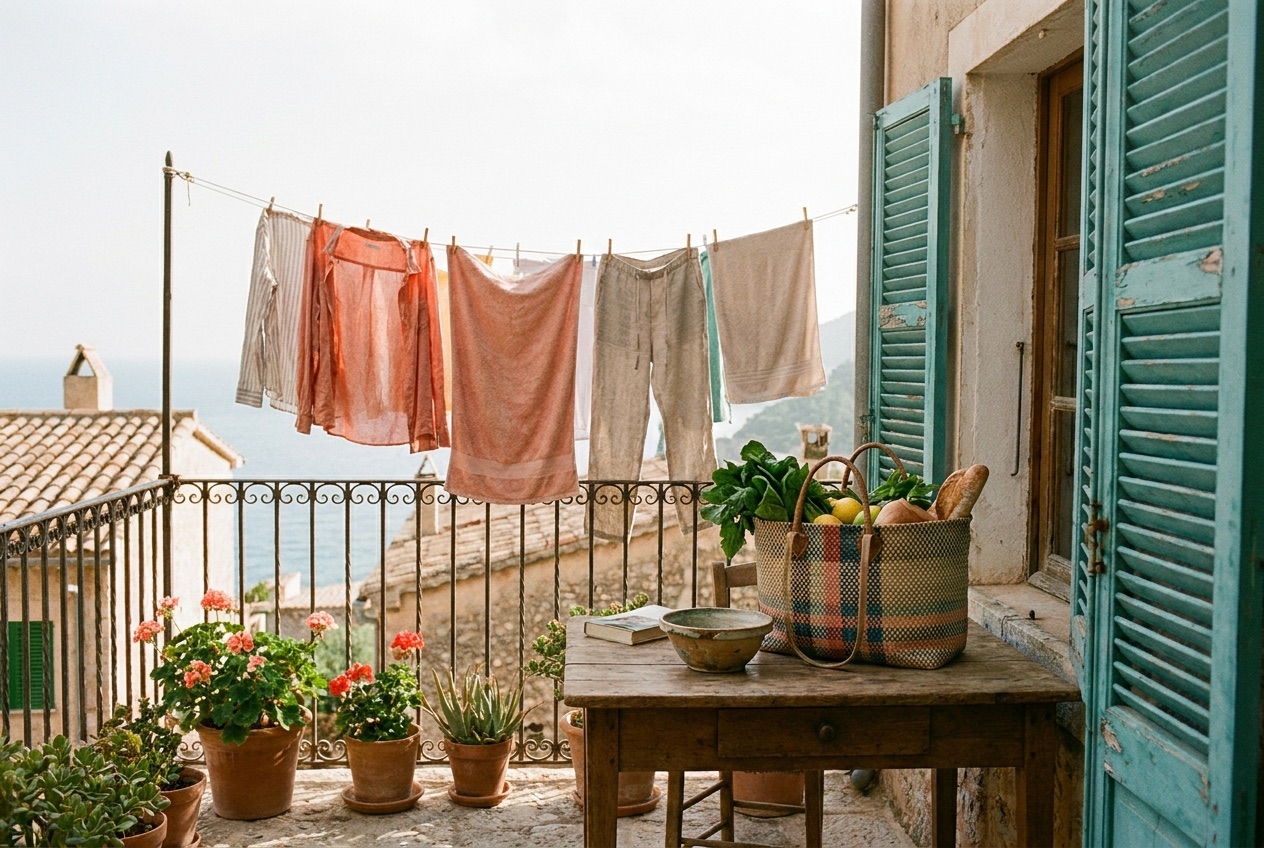
Slow travel means staying somewhere long enough to stop acting like a tourist. Instead of three nights and a checklist, people now book a week, two weeks, a month, and settle into a place the way you settle into a life. The guests who book these longer stays behave completely differently from weekenders, in ways that reshape what a good rental even needs to be.
Why the longer stay stopped being unusual
A few real changes stacked up and made the month-long trip normal. Remote work is the obvious one. When your job travels in a laptop bag, there's no reason the desk has to sit in the same city all year, and a lot of people figured out they could work a month from somewhere warmer, quieter, or just different without asking anyone's permission.
But it isn't only remote workers, and assuming that misses half our guests. Retirees who are done with a mortgage but not done with curiosity book a month somewhere to test whether they'd like living there. Snowbirds move toward warm weather on a schedule older than any app, riding out the cold months somewhere kinder.
And then there's the largest and least glamorous group: people caught in an in-between-homes season. A house sale that closed before the next one, a renovation that ate the kitchen, a divorce, a new job in a new city before the family moves. Life produces a steady supply of months that need a furnished place to land, and those people aren't on vacation. They're just living, temporarily, somewhere that isn't theirs, and they need it to actually work rather than merely photograph well.
Slow travel is a different behavior, not just a longer trip
The thing operators learn fast is that slow travel isn't a weekend stretched out, it's a distinct way of using a place. A weekender treats the rental as a base to sleep between activities. A slow traveler treats it as a home to live from, and those two guests want almost opposite things. The weekender wants a great location and a wow photo. The longer-stay guest wants a real kitchen, a desk that works, reliable internet, and a neighborhood that holds up past the first novelty.
This is why a place optimized for three-night stays often disappoints a month-long guest, and why the reverse is also true. The details that make a weekend sparkle, a hot tub, a themed room, a killer view, matter less when you're washing dishes on a Tuesday and trying to take a work call. Slow travel rewards the boring infrastructure, and the operators who understand that stock their longer-stay places accordingly instead of hoping a vacation setup will carry a resident.
What actually changes when you stay longer
The first thing that changes is your relationship with food. On a three-night trip you eat out every meal because why not. On a month, restaurants three times a day gets expensive and, honestly, exhausting, so you find the grocery store, you stock the fridge, and you start cooking. That single shift, out of restaurants and into the kitchen, is the clearest line between a trip and a stay, and it's why a real kitchen stops being a nice-to-have and becomes the thing the whole stay runs on.
Then there's the second-week settle-in, which is the part nobody warns you about. The first week anywhere is a little disorienting. You don't know which way the shower knob turns, where the good coffee is, or how long the drive to anything takes. Around day eight or nine, something clicks. The place stops being a rental and starts being where you live for now.
You have a route. You have a spot. The stay gets quietly better in week two in a way a weekend never has time to, and once you've felt that shift you understand why people keep chasing the longer booking. It's the payoff that only exists past a certain length, and it's invisible to anyone who's only ever done short trips, because they check out right as the good part is starting.
Laundry becomes a form of freedom, which sounds absurd until you've packed for a month. On a short trip you overpack because there's no way to wash anything. On a longer stay with a washer in the place, you pack light and just do a load midweek, and suddenly the suitcase isn't a problem to manage, it's an afterthought. We hear more genuine gratitude about in-unit laundry than almost any other feature, because it's the difference between hauling four weeks of clothes and traveling like a normal person who happens to be somewhere else.
The whole texture of the day shifts too. You stop packing every hour with sightseeing and start having ordinary evenings, the kind where you cook something, read for a while, and go to bed at a reasonable hour because you don't have to see everything before checkout. That's the part people underestimate before their first long stay. A weekend is a performance you're trying to get right in limited time. A month is just life, relocated, and the pressure to maximize every minute quietly lifts off your shoulders around the same time the neighborhood starts to feel familiar.
And you start knowing people. The barista who remembers your order, the neighbor who nods, the guy at the corner spot who stops asking whether you want the usual and just starts making it. None of that happens in three nights. It's the quiet reward of slow travel, the way a place stops being a backdrop and turns into somewhere you have a small, temporary belonging, and it's the thing people are actually buying when they book a month instead of a weekend.
How pricing usually works for longer windows
The general rule is simple: the longer you stay, the less you pay per night, and it's not a favor, it's just economics on both sides. A nightly rental lives on turnover, and turnover is the expensive part. Every checkout means a cleaning, a resupply, a gap where the place sits empty waiting for the next guest, and the risk that the next guest doesn't book. A guest who stays a month erases all of that for thirty days, so operators are usually glad to trade a lower rate for the certainty and the saved labor.
That's why you'll see weekly rates below seven times the nightly, and monthly rates below thirty times the nightly, sometimes well below. We won't quote you a specific discount because it swings by property, season, and how full the calendar already is, and anyone who gives you one universal number is guessing.
But the direction is dependable. If you're staying a week or more, it's always worth asking directly for the longer-stay rate rather than booking night by night, because the nightly price on the screen is the tourist price. The longer-stay price is a different, quieter number that often isn't advertised at all, and plenty of operators will only surface it if you ask, precisely because the nightly rate is what fills the search results and the monthly rate is what they'd rather negotiate one guest at a time.
One honest caveat on the discount, because we'd rather be straight than oversell it. A longer stay is cheaper per night, but it's still a bigger total number, and it's easy to talk yourself into a month you didn't need because the nightly rate looked like a deal. The math works when you actually have a reason to stay a month. It doesn't work as a way to feel thrifty about a trip that only wanted to be a week. Book the length your life needs, then take the longer-stay rate as the reward for committing, not as the reason to commit.
What to ask a host before a month-long booking
A month is a different commitment than a weekend, so the questions get more practical and less about the view. Start with the internet, and don't accept 'yes we have wifi' as an answer. Ask for the actual speed, whether it holds up for video calls, and what happens if it goes down, because for a month it's not an amenity, it's the utility your work and your sanity depend on. A dead connection on night two of a weekend is annoying. On a month-long work stay it's a crisis.
Then ask about the things that only bite over time. How does laundry work, and is it in the unit or a shared machine or a laundromat down the road. What's the real parking situation on a normal weeknight, not the ideal one. Is there a desk and a chair you could actually work from for hours, or just a kitchen table and a hope. How does cleaning work over a long stay, and is there a mid-stay tidy or fresh towels.
And ask the awkward money questions plainly: is the rate all-inclusive of utilities, is there a separate deposit, and what happens if your plans change and you need to leave early or stay longer. The answers tell you about the stay, but the way they're answered tells you about the operator. Someone who's genuinely set up for longer bookings answers these fast and specifically because they've been asked all of them before. Someone who hesitates, or treats a laundry question like an imposition, is probably running a weekend place and hoping a month-long guest will behave like a tourist. They won't.
Where do monthly stays turn into mid-term rentals?
Somewhere past a month, the vacation-rental frame stops fitting and you're really in furnished mid-term rental territory, even if you booked through the same channel. A mid-term rental is a furnished place rented by the month for a defined stretch, usually somewhere between a month and half a year, and it's a distinct product with its own rhythm. It's what travel nurses live in on a thirteen-week contract. It's where a relocating family lands while they house-hunt. The nightly-rental machinery of constant turnover and tourist pricing was never built for that, and forcing a months-long stay through it usually costs the guest more and serves them worse.
This is the lane co-living sits in, and it's worth understanding where it fits on the spectrum. Instead of renting a whole furnished house by the month, you rent a private furnished room in a shared house, with the utilities, wifi, and furniture folded into one flat payment and flexible terms that stretch from about a week up to a few months. It's built for exactly the slow travel and in-between-homes guests who need somewhere real for a stretch but don't need, or don't want to pay for, an entire house. We run our Be Nice Properties co-living homes on the west side of Atlanta for that person specifically. However you book your longer stay, the thing worth chasing is the same: a place that's actually set up for you to live in it, not just visit.