
The Case for the Midweek Stay
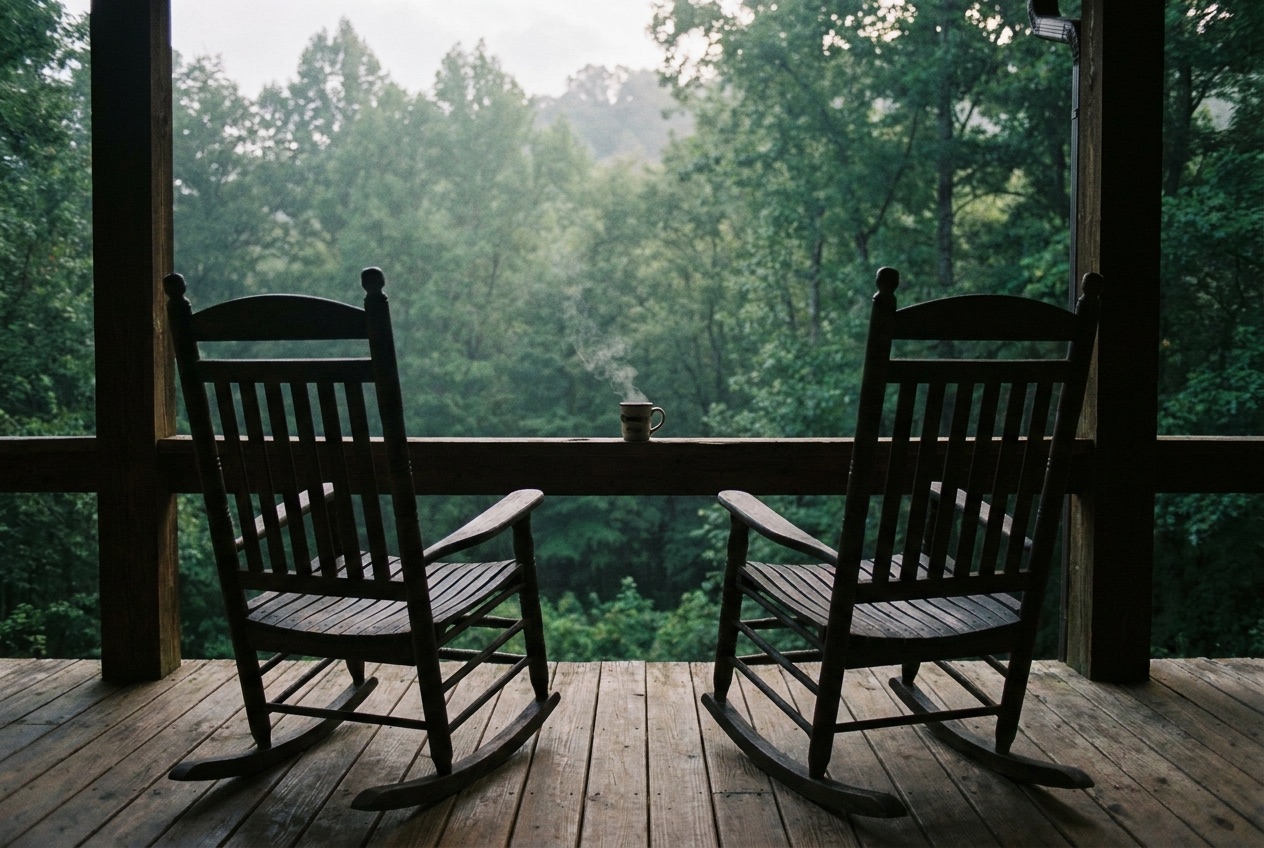
A midweek getaway is a Tuesday-through-Thursday stay instead of the usual Friday-to-Sunday, and it is the quietest good deal in travel. You pay less, because demand collapses midweek and hosts drop rates to fill the gap. You get emptier trails, shorter waits, and calmer restaurants. And with remote work now normal, more people can pull it off than they think. We run the calendars and watch it happen every week.
The pricing and availability nobody talks about
Weekend demand is a wall, and everything about travel pricing is built around it. Friday and Saturday nights are when everyone wants to be somewhere, so that is when rates climb and the good places sell out first. Midweek, the same room can cost noticeably less, because the host is looking at an empty Tuesday and would rather earn something than nothing. The nightly rate you see is not fixed. It breathes with the calendar, and midweek is when it exhales.
Availability flips the same way. The place that has been booked solid for the next six weekends often has wide-open midweek nights a few days out, which means you can be spontaneous in a way weekend travel never allows. The cabin everyone fights over for Saturdays sits quietly available on a Wednesday. If your dates can flex off the weekend, the entire inventory opens up, and the stuff that felt impossible to get suddenly is not. You stopped competing with everyone at once.
Here is the operator's honest view of it. A midweek gap in the calendar is money we are not making, so a midweek booking is close to found revenue, and we will often make it more attractive than a weekend one we could fill five times over. That is not a trick. It is the plain incentive lining up in your favor for once. When your flexibility solves the host's actual problem, the host is happy to reward you for it, and the price is where that shows up.
If you want to actually see this discount, the move is to pull up the same property across a full month and watch the nightly rate change by day of the week. Most booking sites let you scan a calendar where the cheaper nights are usually the ones sitting midweek, and the pattern jumps out once you look for it. On a direct booking you can also just ask, because a host with an empty Tuesday would rather quote you a friendly number than stare at a hole in the calendar. The worst that happens is they say no, and often they will not.
Empty trails, empty tables, and the quiet you came for
The money is only half the case. The other half is that midweek is simply a nicer time to be anywhere worth going. A state park on a Saturday is a parking lot and a line for the good overlook. The same park on a Wednesday is nearly yours, and the trail that felt like a moving crowd on the weekend goes silent enough to hear the creek. Near us, a place like Sweetwater Creek State Park is a completely different experience on a Tuesday than it is on a Sunday afternoon.
Restaurants change character too. The place with a ninety-minute weekend wait seats you immediately on a Wednesday, and the staff have the time to actually take care of you instead of turning tables as fast as they can. You get the real version of a town, the one the locals know, instead of the crowded tourist version that only exists on weekends. Everything you drove out to enjoy is more available and more relaxed, because you came when nobody else did.
That quiet is the underrated luxury of the whole thing. A weekend trip can leave you more frazzled than when you left, because you spent it in traffic and lines with everyone else who had the same idea. A midweek trip has room in it. The pace drops, the pressure drops, and the getaway actually feels like getting away. You are not sharing the experience with a crowd, and it turns out that solitude was most of what you wanted from the trip in the first place.
The honest tradeoffs of going midweek
We are not going to pretend midweek is flawless, because it is not, and knowing the catches ahead of time is how you avoid being disappointed. Some restaurants and small shops close on Mondays and Tuesdays, especially in smaller towns, so the place you were counting on for dinner might be dark. Check the hours before you go rather than driving up hungry to a locked door. It is a small thing, but it is the most common midweek surprise we hear about from guests.
The other tradeoff is that a lot of the fun of a place is tied to the weekend crowd. Live music, farmers markets, festivals, and the general buzz of a town often only happen Friday through Sunday, so a midweek visit can feel quieter than you wanted if what you wanted was energy. That quiet is the whole point for some people and a letdown for others, so be honest with yourself about which one you are. If you are chasing nightlife and events, the weekend premium might actually be worth paying, and that is a fair call to make.
None of this outweighs the upside for the right traveler, but it does shape how you plan. A midweek getaway rewards people who want rest, nature, and space more than they want a scene, and it punishes people who booked expecting a packed calendar of things to do. Match the trip to the reason you are taking it. If you want the world to slow down, midweek delivers, and if you want the world turned up, you probably already know which nights to book.
Remote work quietly made this normal
The reason more people can do this now is that work stopped being tied to a desk in a specific building. If your job runs on a laptop and a decent connection, Tuesday can happen somewhere with a better view than your kitchen, and nobody has to know the difference. A change of scenery midweek is no longer a vacation you have to request. It is a Wednesday you decided to work from somewhere nicer, and the work still gets done.
This is a real behavior we see, not a theory. Guests book a few midweek nights, work during the day, and treat the evenings and the early mornings as the getaway. They log off at five somewhere beautiful, take a long walk on an empty trail, sleep somewhere that is not home, and log back on the next morning having barely spent any time off. When we describe a property to a remote worker now, the wifi and a good spot to set up a laptop matter as much as the view, because that combination is exactly what makes a working midweek stay possible.
There is a catch worth naming, because we would rather set it right than oversell it. Working from a getaway only works if the internet is genuinely reliable, and rural and scenic often means spotty. If you are planning to take calls, confirm the connection with the host before you book, and ask a direct question about upload speed and whether video calls actually hold. A dropped meeting from a cabin is not relaxing. The good news is that a host worth staying with will tell you the truth, because they do not want that review either.
Who a midweek getaway actually works for
This is not for everyone, and pretending otherwise would be dishonest. It works best for couples without kids in school, who can leave on a Tuesday without wrapping the whole thing around a hard weekend deadline. For them the midweek trip is close to pure upside, cheaper and calmer with almost no downside, and once they try it they rarely go back to fighting for weekends. If your life does not run on a school bell, the midweek option is sitting right there for you.
Remote workers are the second obvious fit, for all the reasons above, and retirees are a third and maybe the best-positioned of all. When every day is equally free, choosing the cheap quiet ones is simply smarter, and retirees who have figured this out travel better and pay less than everyone still chained to a Saturday. Shift workers round out the group, because plenty of jobs give people odd days off midweek anyway. If you are already off on a Wednesday, the whole world is discounted and empty for you, and you might as well use it.
Who it does not serve well is worth saying plainly too. Families with school-age kids are mostly locked to weekends and breaks, and the standard nine-to-five job with fixed weekend time off makes a midweek trip a PTO cost rather than a free window. That is a real constraint and no amount of enthusiasm changes it. But even for those folks, there are ways to catch a piece of the midweek deal without quitting anything, which is the part worth walking through.
How do you take a midweek trip without burning PTO?
The cleanest trick is the shoulder, where you attach a midweek night or two to a weekend rather than replacing it. Check in Sunday afternoon and stay through Monday and Tuesday, and you get the empty, cheaper nights on the back end while spending only a day or two of PTO instead of a full block. The Sunday-into-the-week window is a sweet spot most people never think to book, and it captures most of the midweek benefit at a fraction of the time off.
Holidays are the free version of the same move. A lot of jobs give a Monday holiday, so a stay that runs from that Monday into Tuesday and Wednesday turns a long weekend into a genuine midweek trip without touching your vacation days at all. Build your trips around those Monday holidays and you can travel midweek several times a year on the calendar's dime. It takes a little planning ahead, but the payoff is real nights away that cost you no PTO whatsoever.
For remote workers the answer is even simpler, which is that you do not have to take PTO at all, you just have to work from a better place for a couple of days. And for anyone with any flexibility, the mindset shift is the whole game. Stop treating the weekend as the only time travel is allowed. The best stays, the emptiest trails, and the lowest prices are all sitting quietly in the middle of the week, waiting for the small number of people willing to go when everyone else is at work. A midweek getaway is not the leftover option, and for a lot of people it is the smart one.