Red Flags to Watch for Before You Rent a Room in a Shared House
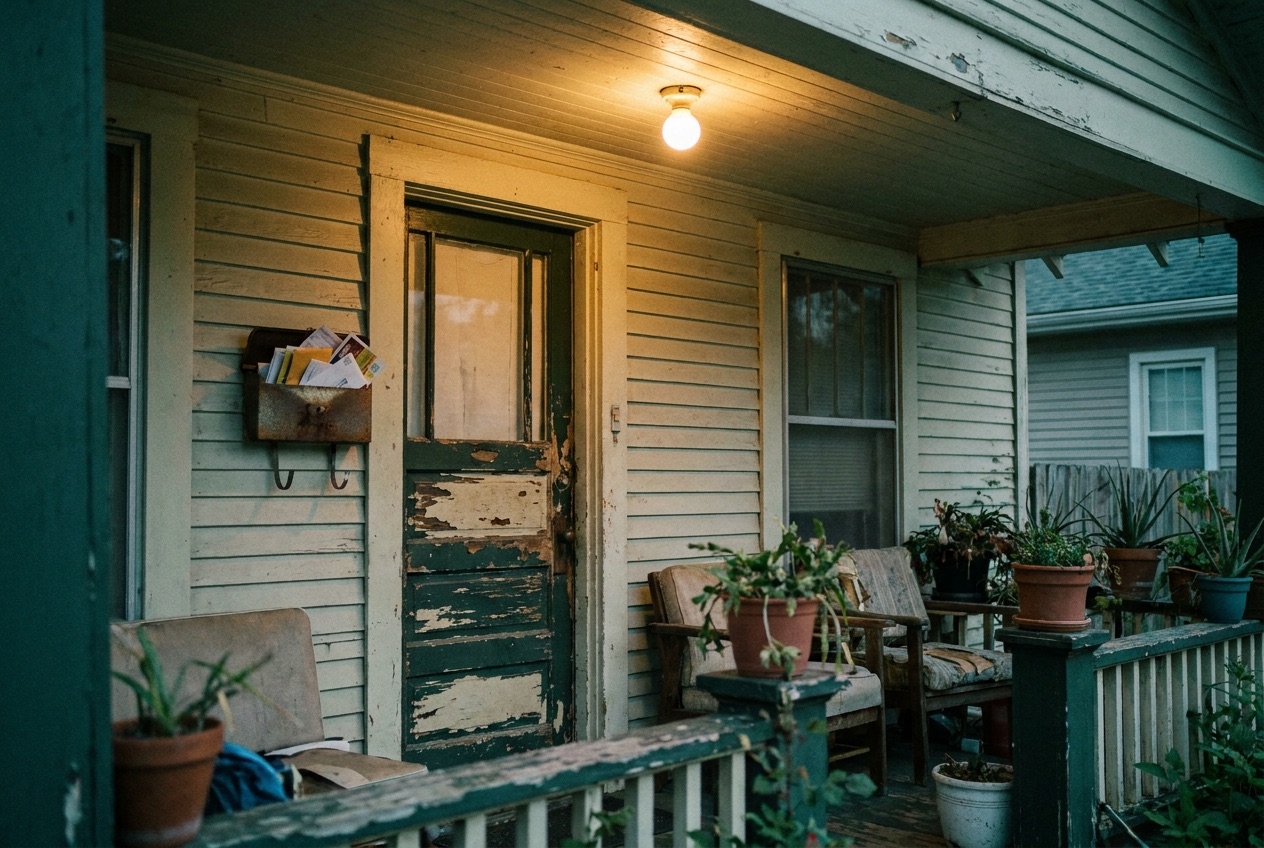
The biggest renting a room red flags are easy to spot: no written lease, cash-only with no receipt, a landlord who will not show you the actual room, houses packed past capacity, utilities called 'included' with no stated cap, no lock on your bedroom door, and pressure to pay before you have seen the place. Each one happens for a reason, and each has a fair version an honest operator will show you.
How to read the renting a room red flags below
Most of the renting a room red flags on this list are not about a place being a little run-down. They are about a landlord who has arranged things so the ambiguity works in their favor and the risk lands on you. That is the pattern to hold in your head as you read. A tired kitchen is a maintenance issue. No written lease, no receipt, and a room you are not allowed to see are structural choices, made on purpose, and they tell you how the whole arrangement will go once your money is in. We turn these rooms over ourselves, so what follows is the list from the operator's side, with the honest version of each spelled out next to the bad one.
No written lease or agreement
A handshake and a cash payment with nothing in writing is the reddest flag on the list, and it is common in the informal end of room rentals. It happens because a written agreement creates obligations on both sides, and a landlord operating in the gray does not want to be pinned to any of them: no documented rent, no stated term, no promise about what is included, nothing you could ever point to. It leaves you with zero protection and them with total discretion to change the deal whenever it suits them.
The fair version is a written agreement, even a short and simple one, that states the rent, the payment schedule, the term, exactly what is included, the house rules, and how either side ends it. It does not need to be a fifty-page legal document. It needs to exist, to be signed, and to say the same things the landlord told you out loud. If someone resists putting the basic terms in writing, that resistance is the answer. Walk. The paperwork is not bureaucracy, it is the only thing standing between you and a deal that changes on you in month two.
Cash only, no receipts, no paper trail
Cash-only with no receipt is the money version of the same problem. It happens because cash leaves no record, and no record is the point for a landlord who is not reporting income, not accountable for the deposit, or planning to dispute later what you paid and when. Without a paper trail you cannot prove you handed over the deposit, cannot prove you paid March, and have nothing to stand on if it comes to a disagreement. It is you carrying all the risk so someone else can stay invisible.
A fair operator gives you a way to pay that creates a record and a receipt, whether that is a card, a transfer, or a payment platform, and they document what your deposit was and what it covers. Cash itself is not evil; plenty of legitimate small landlords will take it. The flag is cash only combined with no receipt and no willingness to write down what you paid. If the only accepted payment is untraceable and nobody will acknowledge it in writing, assume the ambiguity is deliberate and priced to work against you.
The landlord will not show you the actual room
You ask to see the specific room you would be renting, and you get a tour of a different room, or 'that one's occupied right now, but they're all the same,' or just photos. This happens because the actual room is worse than the pitch: smaller, darker, a converted dining room with no real window, right next to a bathroom, or simply not in the condition the listing implies. If they are steering you away from the one room that matters, it is because that room does not sell itself, and they know it.
The fair version is obvious and non-negotiable. A straight operator shows you the exact room you would be renting, and if it is genuinely occupied they show you photos of that specific room plus an identical layout you can walk, and they are honest about the differences between units. 'They're all the same' is rarely true; rooms in a house vary a lot in size, light, and noise. Insist on seeing the real thing before any money moves. A refusal to show you what you are actually paying for tells you everything you need to decide.
Overcrowded houses
Walk in and count. If a normal house has been carved into far more bedrooms than it was built for, with bunk situations, a converted garage, a partitioned living room, and one bathroom serving a crowd, that is an overcrowding flag. It happens for the plainest reason there is: more heads means more rent, so a landlord chasing maximum revenue keeps subdividing until the house is packed past what it can comfortably or safely hold. The people living there absorb the cost in the form of a place that never functions.
A fair house is set up so the number of people matches what the place can actually support, which mostly means bathrooms and kitchen and parking that work for the headcount. There is no perfect ratio, but you can feel the difference in five minutes: is there a realistic morning bathroom situation, room in the fridge for everyone's food, somewhere to park, a common space that is not doubling as somebody's bedroom. Overcrowding is uncomfortable on a normal Tuesday and genuinely dangerous in a fire, and either way it points to an operator optimizing for their own revenue over your life inside the house.
Utilities 'included' with no cap or clarity
'All bills included' sounds great until you ask for specifics and the answers turn to fog. This flag is the vague version: no statement of what is actually covered, no mention of a fair-use cap, and squishy language about 'excessive use' with no number attached anywhere. It happens because vagueness is a door left open to bill you later, or to blame you when a bill runs high, or to quietly not include something you assumed was covered. The ambiguity is not an accident. It is the surcharge, waiting for a victim.
A fair operator tells you plainly what is included, electricity, gas, water, trash, wifi, line by line, and if there is a fair-use cap on utilities they tell you the number and how any overage is split, before you sign, in writing. Caps themselves are reasonable; they exist to stop one person running a space heater all January with a window open while the whole house eats the bill. The flag is not the existence of a cap, it is the absence of clarity. If nobody will put in writing what 'included' means and where any limit sits, treat the words as decoration and assume the gap gets charged to you.
No smoke detectors and no locks on bedroom doors
Two safety flags that are easy to check and non-negotiable. First, smoke and carbon monoxide detectors. If a house full of strangers has no working detectors, that is a landlord skipping the cheapest, most basic safety obligation there is, and it tells you exactly how they weigh your safety against the couple of dollars a detector costs. In a shared house where you do not control what happens in the kitchen or anyone else's room, working detectors are not optional, they are the floor.
Second, a lock on your bedroom door. You are living with people you did not choose and may not know, so a private room that does not actually lock is not a private room. When a bedroom has no lock, or the landlord is cagey about giving you a key, that is a flag about both your safety and your basic privacy. The fair version is simple: working detectors throughout the house, and a real lock on your door that you have the key to. These are not luxuries to negotiate for. They are the baseline any legitimate operator has already handled before you ever walk in.
Photos that avoid the common areas and pressure before a viewing
Two flags that often travel together at the listing stage. First, photos that show only tight, flattering angles of a bedroom and nothing of the kitchen, the bathrooms, or the living room. Common areas are where a shared house is really judged, so when every shared space is missing from the photos, assume they look bad: a grim kitchen, a rough bathroom, a living room that is actually someone's bedroom. The absence is the information. A house proud of its common areas shows them, because they are the selling point in shared living.
Second, and worst, pressure to pay a deposit before you have seen the place, often wrapped in urgency: 'three other people want it, send the deposit today to hold it.' This is the setup for the oldest rental scam there is, money for a room that is not theirs, does not exist, or is nothing like the photos, and once your deposit is gone it is gone. A fair operator lets you see the actual room, in person or on a live video walk-through, before you pay a cent, and treats manufactured urgency as beneath them. Never send a deposit for a place you have not seen. If someone is rushing you past that step, the rush is the scam.
How do I check all of this before I commit?
Do it in order, and do not skip a step because the person seems nice. See the actual room in person or on a live video call. Get the terms in writing and confirm they match what you were told out loud. Ask exactly what 'included' covers and whether there is a cap and what the number is. Check for working smoke detectors and a real lock on the bedroom door while you are standing in the house. Pay in a way that leaves a receipt, and never front a deposit before you have laid eyes on the place. Any one of these being refused is enough to walk.
None of this makes you a difficult renter. It makes you a careful one, and any honest operator will not merely tolerate these questions, they will already have the answers ready, because they get asked constantly by people who have been burned before. Run through the renting a room red flags in order, and the good houses reveal themselves fast, because there is nothing on the list they mind showing you.
The whole point of running a straight house is that none of this is a problem to hand over. A missing lease, cash with no receipt, a room you cannot see, no lock on the door, these are not quirks of a scrappy operation, they are the tells of one you should walk away from. We hold our own co-living homes near Douglasville to exactly this checklist, and it is the same checklist worth holding any shared house to before you part with a dollar, ours included.